
7 Bookkeeping Mistakes Small Business Owners Should Avoid
Running a small business comes with enough responsibilities. Between serving customers, managing employees, marketing your services, and planning for growth, bookkeeping can easily become something you handle “when you have time.”
But putting off your books or relying on inconsistent financial habits can create problems that become more difficult and more expensive to fix later.
The good news is that many bookkeeping mistakes are avoidable. By understanding the most common errors and creating a few simple systems, you can keep your financial records organized and make better decisions for your business.
Here are seven bookkeeping mistakes small business owners should avoid.

2. Failing to Keep Receipts and Documentation
A transaction in your bank account may show how much you spent, but it does not always explain what the purchase was for or why it was business-related.
Without receipts, invoices, and other supporting documents, you may have trouble categorizing expenses accurately or answering questions later.
Receipts are especially important for purchases that may need additional explanation, such as meals, travel, equipment, software, or client-related expenses.
How to avoid it
Create a simple system for saving financial documents. You can:
Upload receipts to bookkeeping software.
Save digital receipts in organized folders.
Take photos of paper receipts.
Attach documentation to the related transaction.
Establish a regular process for reviewing missing receipts.
You do not need a complicated system. You need one that you can consistently maintain.
3. Waiting Too Long to Update the Books
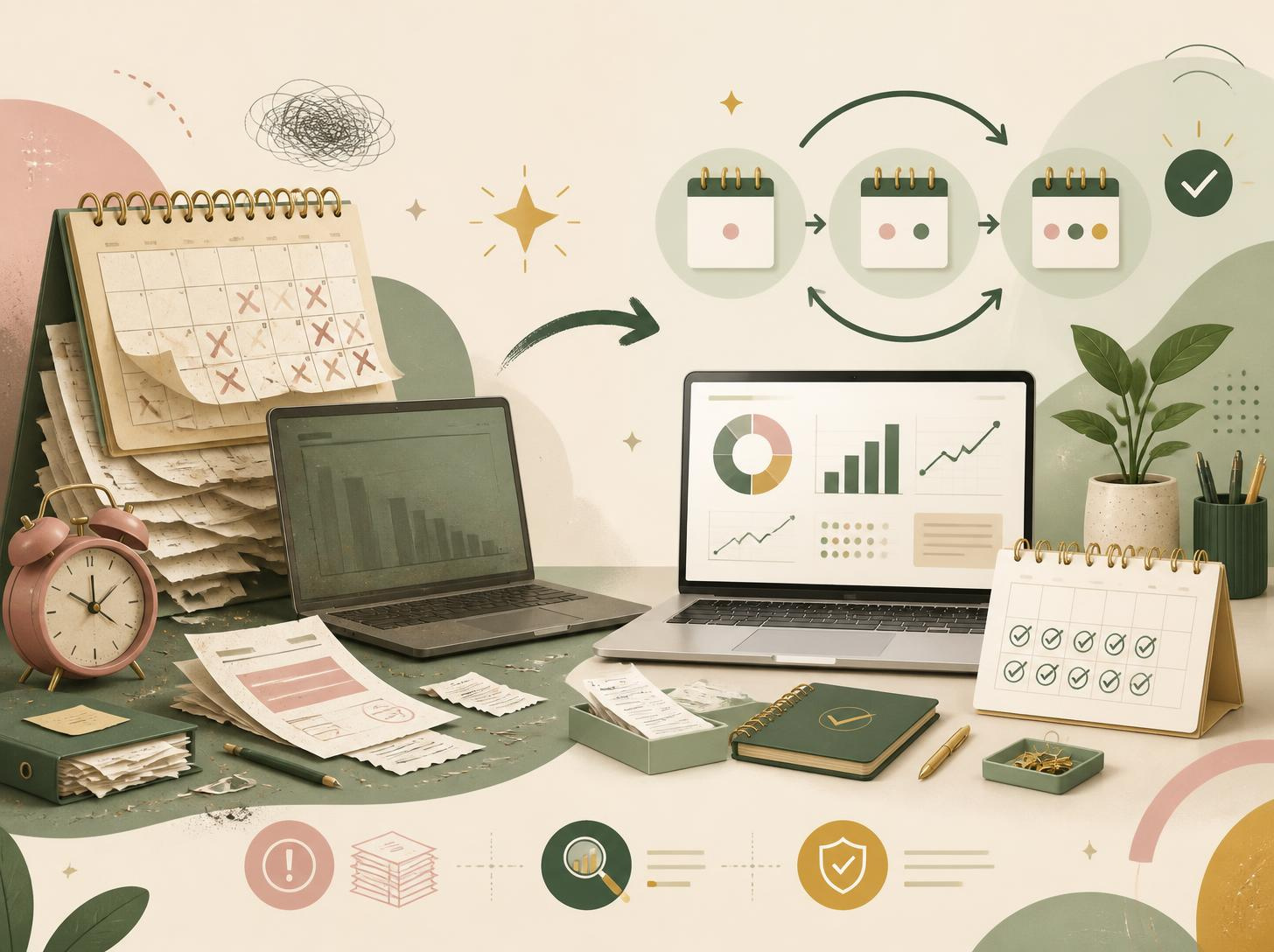
Many business owners wait until the end of the month or even the end of the year to review their transactions.
The longer you wait, the easier it becomes to forget the purpose of a purchase, overlook an unpaid invoice, miss a duplicate transaction, or lose track of important financial details.
Delayed bookkeeping also means you may be making business decisions using outdated information.
How to avoid it
Set a consistent bookkeeping schedule. Depending on the size and activity of your business, this may mean reviewing transactions:
Weekly
Biweekly
Monthly
Regular updates help you catch mistakes early and keep your financial records current.

4. Categorizing Expenses Incorrectly
Bookkeeping is not just about recording that money was spent. It is also about recording transactions in the correct categories.
For example, office supplies, equipment, advertising, contractor payments, and owner distributions should not automatically be treated the same way.
Incorrect categorization can distort your financial reports and make it harder to understand where your money is going.
How to avoid it
Use consistent expense categories.
Review unusual or large transactions.
Avoid guessing when you are unsure how to categorize something.
Keep notes for transactions that may need clarification.
Work with a bookkeeper when an expense is complicated or unclear.
Accurate categorization helps your reports reflect what is actually happening in your business.
5. Ignoring Bank and Credit Card Reconciliations
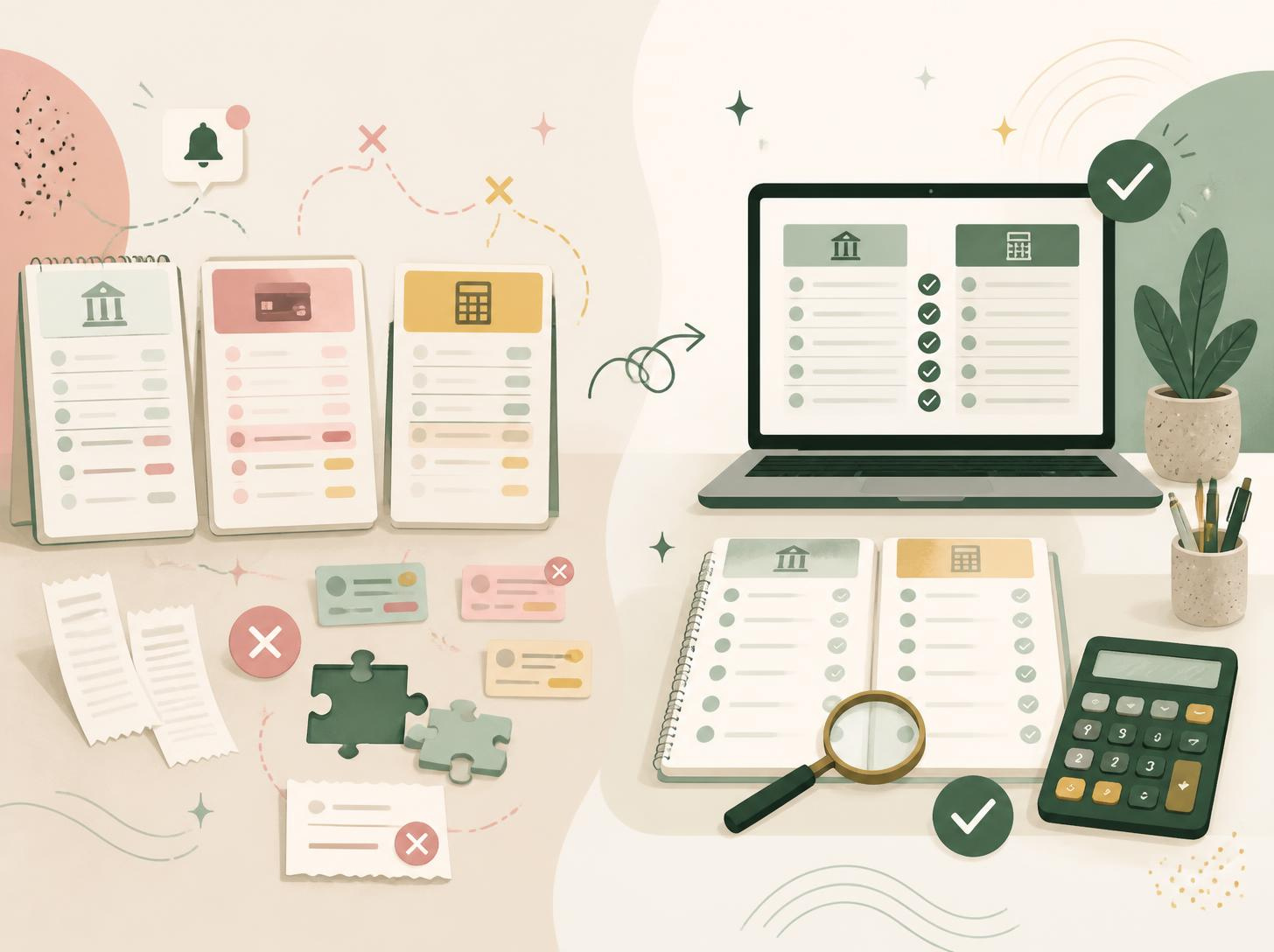
A bank reconciliation compares the transactions recorded in your books with the transactions shown on your bank or credit card statements.
Skipping this step can allow errors to go unnoticed. You may have missing transactions, duplicate entries, incorrect amounts, bank fees, or payments that were recorded incorrectly.
Even if your bookkeeping software is connected to your bank, reconciliation is still important. Automatic imports do not guarantee that every transaction is accurate or properly categorized.
How to avoid it
Review and reconcile your accounts regularly. During the process, look for:
Missing transactions
Duplicate transactions
Incorrect transaction amounts
Unrecorded bank fees
Outstanding checks or payments
Unusual activity
Reconciliation gives you greater confidence that your books match your actual financial activity.

6. Confusing Profit with Cash Flow
A business can be profitable on paper and still experience cash flow problems.
For example, you may send invoices totaling $10,000, but if customers have not paid yet, that money may not be available to cover payroll, rent, supplies, or other upcoming bills.
Profit measures the difference between revenue and expenses. Cash flow focuses on the movement of money into and out of your business.
Both are important, but they answer different questions.
How to avoid it
Review more than just your profit and loss statement. Pay attention to:
Outstanding customer invoices
Upcoming bills
Available cash
Loan payments
Payroll obligations
Expected income and expenses
Understanding cash flow can help you plan ahead instead of reacting when money becomes tight.

7. Treating Bookkeeping as an Afterthought
Some business owners view bookkeeping as a task that only matters during tax season.
But your books are more than a recordkeeping requirement. They are a source of information that can help you understand your business throughout the year.
When bookkeeping is neglected, you may miss warning signs such as rising expenses, declining margins, unpaid invoices, or inconsistent revenue.
You may also struggle to answer important questions:
Is the business actually profitable?
Which services or products generate the most revenue?
Can I afford to hire?
Is it time to increase prices?
Do I have enough cash for upcoming expenses?
Is the business ready for growth?
How to avoid it
Treat bookkeeping as part of your regular business operations not just a year-end task.
Set aside time to review your financial reports, monitor cash flow, and address discrepancies. If bookkeeping is taking time away from running your business, consider working with a professional who can maintain your records and help you understand the numbers.
What Happens When Bookkeeping Mistakes Go Uncorrected?
Small errors may not seem serious at first, but they can accumulate over time.
Poor bookkeeping can lead to:
Inaccurate financial reports
Missed business expenses
Difficult tax preparation
Cash flow surprises
Incorrect business decisions
Increased stress
More time spent fixing records later
The goal is not to maintain perfect books every single day. The goal is to create consistent processes that reduce errors and keep your financial information reliable.
A Simple Bookkeeping Checklist
To help prevent common mistakes, small business owners should aim to:
Keep business and personal finances separate.
Save receipts and supporting documents.
Review transactions regularly.
Use consistent expense categories.
Reconcile bank and credit card accounts.
Monitor both profit and cash flow.
Review financial reports throughout the year.
Ask for professional help when needed.
A little consistency can make a significant difference in the accuracy and usefulness of your books.
Final Thoughts
Bookkeeping mistakes are common, especially when business owners are trying to manage everything themselves. But ignoring financial records or waiting until tax season to review them can create unnecessary stress and uncertainty.
Organized bookkeeping gives you a clearer understanding of your business, helps you identify potential problems earlier, and provides information you can use to make more informed decisions.
At Bloom Bookkeeping, we believe your books should give you clarity, not confusion. Our goal is to help business owners maintain organized financial records so they can spend less time worrying about their books and more time focusing on their business.
Ready to bring more organization and confidence to your bookkeeping? Contact Bloom Bookkeeping to learn how we can help.
